June 1, 2026
A fireplace can make a home feel warm, comfortable, and inviting, but the chimney behind it needs regular attention to work safely. Every fire releases smoke, gases, moisture, soot, and tiny particles that travel upward through the flue. Over time, those materials can stick to interior chimney surfaces, restrict airflow, and create conditions that make a fire harder to control. Homeowners may notice smoke backing into the room, stronger odors, falling debris, or poor fire performance, but buildup can also develop quietly between uses. This is why chimney cleaners play such an important role in routine household safety planning.
Professional chimney cleaners help reduce those risks before they become urgent. By removing residue, checking for obstructions, and looking for signs of wear, chimney cleaners support safer fireplace use and better long-term performance. Their work is especially important before heavy seasonal use, when many homeowners start relying on fireplaces for comfort, atmosphere, and supplemental warmth.
Reducing Creosote Buildup
Creosote is one of the main reasons chimney maintenance matters. It forms when wood smoke cools, condenses, and leaves behind a sticky or hardened residue along the flue. Depending on burning habits, wood quality, moisture levels, and chimney temperature, creosote can appear as a flaky coating, a tar-like layer, or a glossy buildup that is harder to remove.
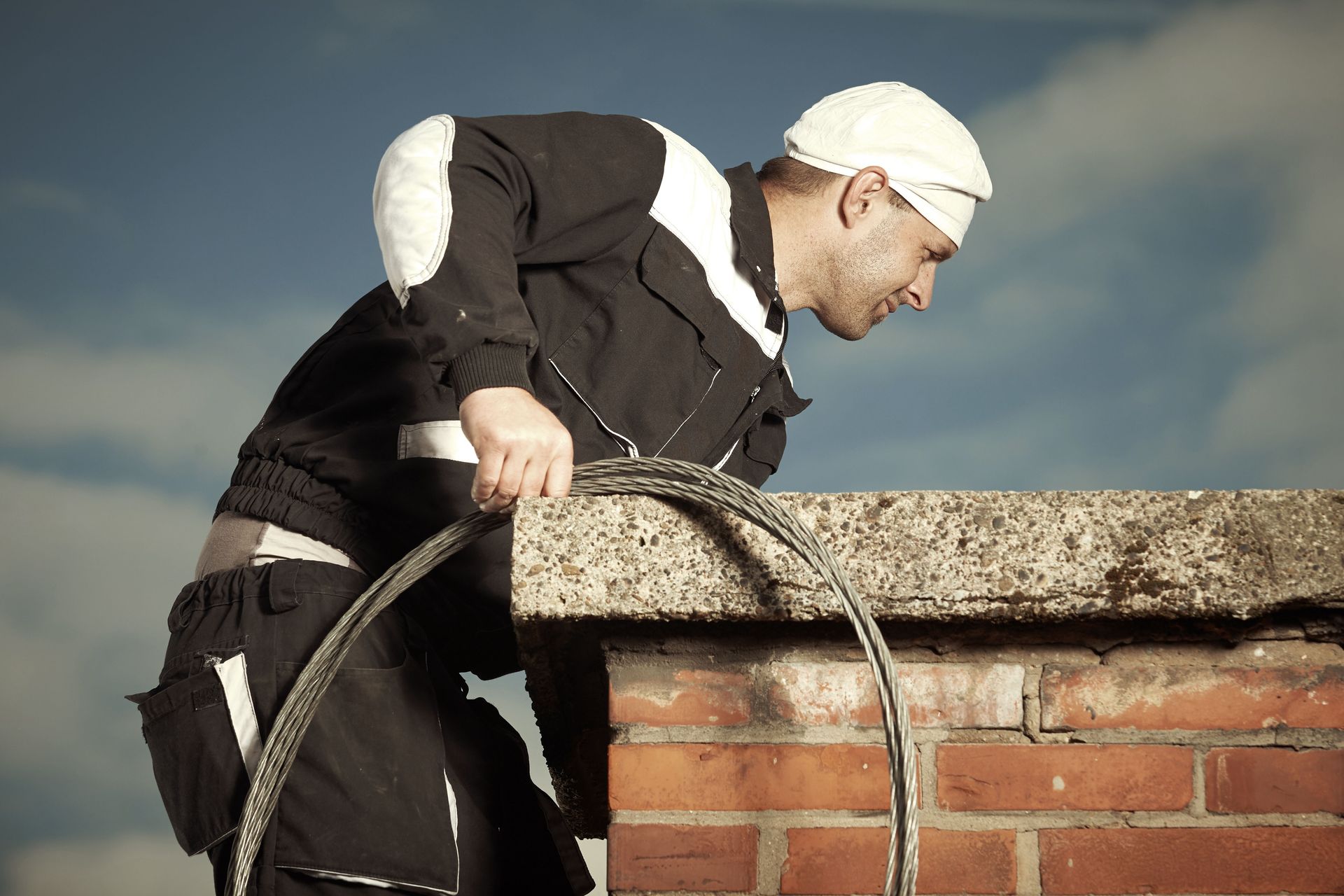
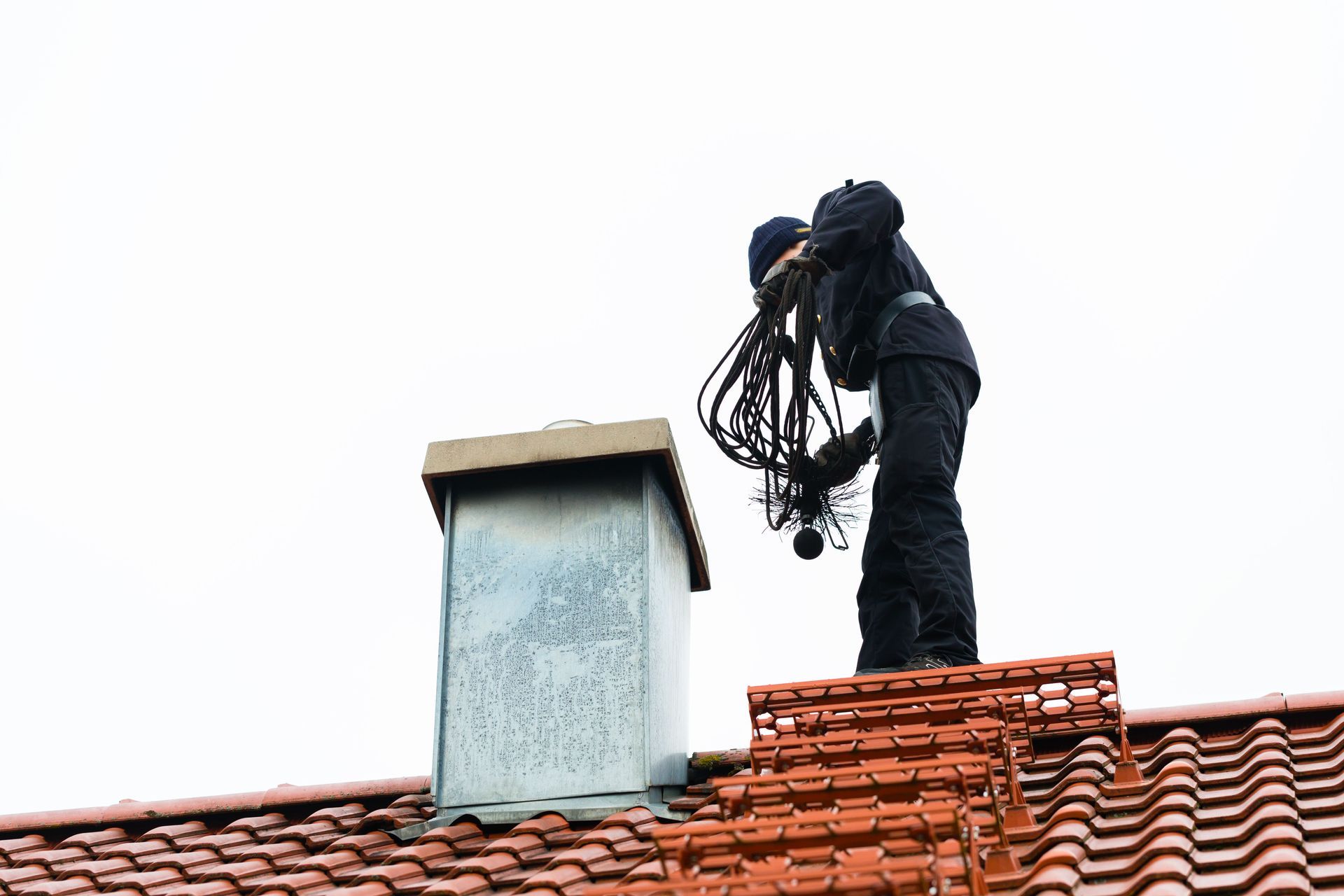
Because creosote is combustible, too much of it can increase fire risk. A stray ember, high heat, or poor draft can ignite buildup inside the chimney, creating a dangerous chimney fire that may spread beyond the flue. Chimney cleaners use specialized brushes, rods, vacuums, and cleaning methods to remove soot and creosote from areas homeowners cannot safely or effectively reach.
Routine cleaning also helps homeowners understand how quickly buildup is forming. If residue returns faster than expected, a professional may recommend burning seasoned wood, improving airflow, or adjusting fireplace habits. This makes cleaning part of ongoing fire prevention, not just a one-time service.
Improving Smoke and Airflow Control
A chimney needs proper draft to move smoke, gases, and particles out of the home. When soot, creosote, animal nesting materials, leaves, or other debris narrow the flue, smoke may not rise efficiently. Instead, it can drift into living areas, create odors, stain nearby surfaces, or irritate the eyes and throat.
Chimney cleaners help restore airflow by clearing the passageway and checking whether the system is venting as it should. Good airflow supports cleaner burning, steadier flames, and fewer smoke-related problems during normal fireplace use. It also helps reduce the chance of gases lingering inside the home.
Poor airflow can sometimes point to a larger issue, such as a damaged damper, improperly sized flue, cracked liner, or blocked cap. When these problems are noticed during cleaning, homeowners can schedule repairs before the fireplace is used heavily again. That proactive approach can help prevent small concerns from turning into safety hazards.
Identifying Blockages and Structural Concerns
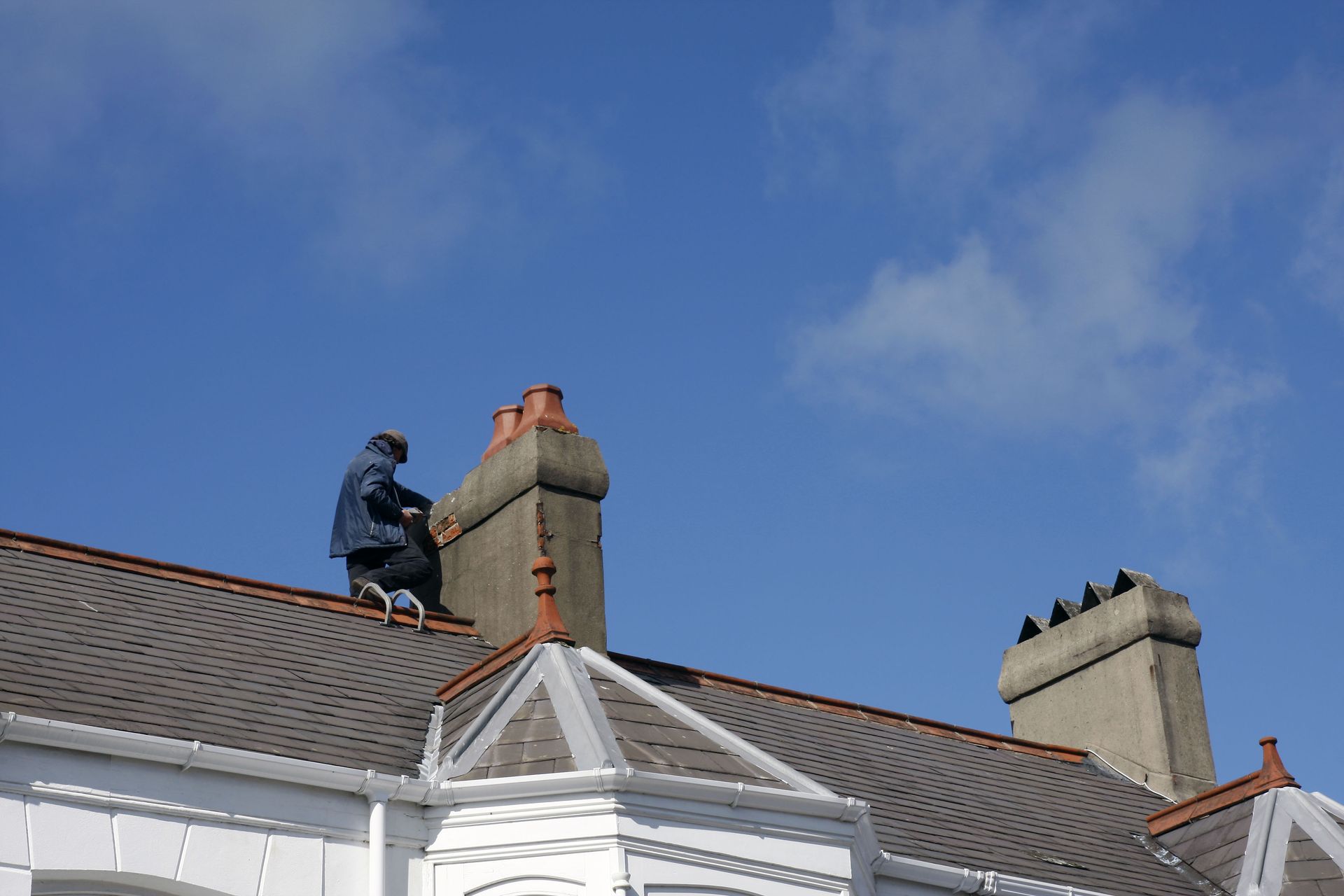
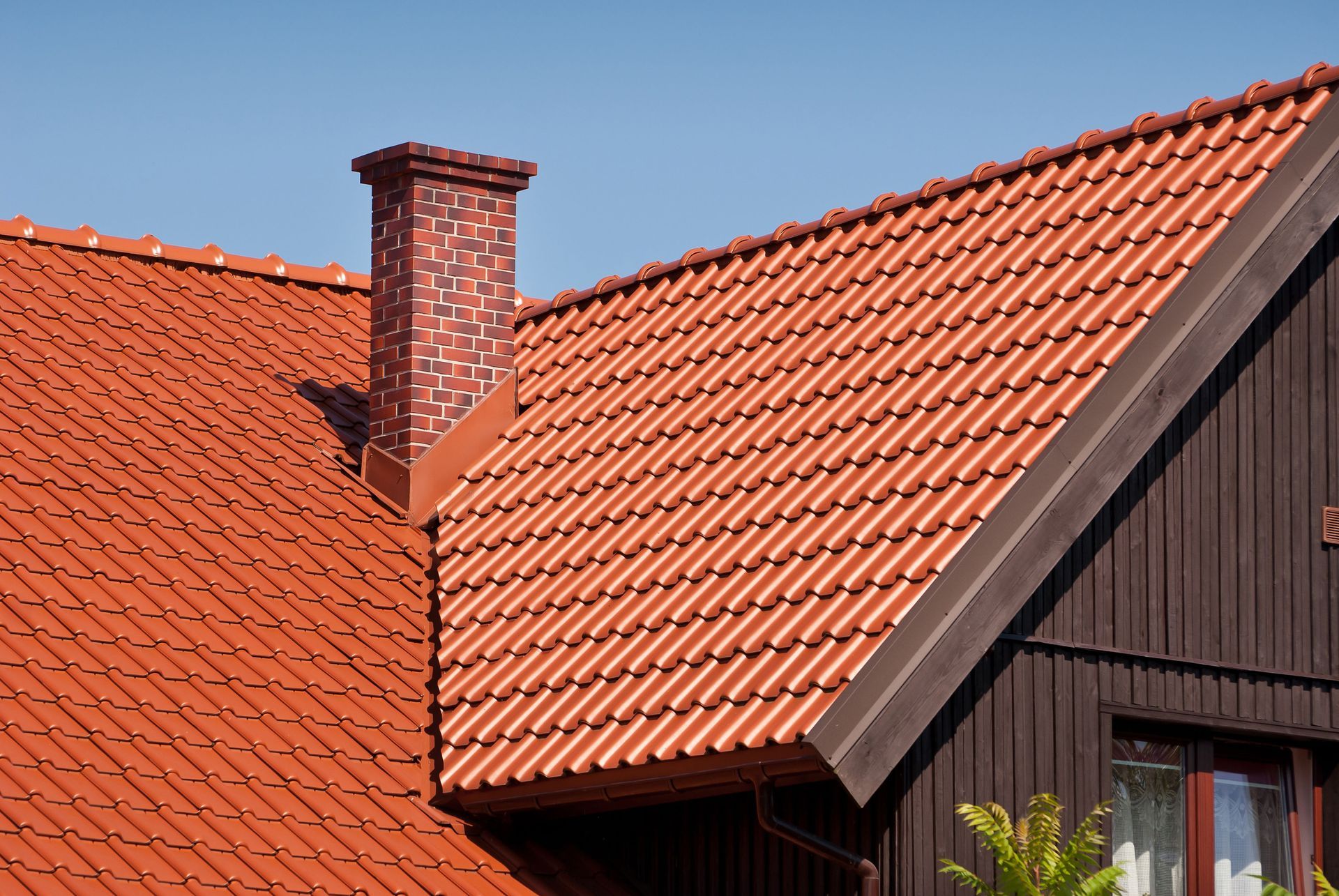
Chimneys are exposed to weather, animals, falling leaves, moisture, and temperature changes throughout the year. Even when the fireplace is not being used, the chimney can still develop problems. Birds or small animals may nest near the top. Bricks can crack. Mortar can deteriorate. Caps can loosen. Moisture can seep into weak areas and worsen damage.
During service, chimney cleaners often look for visible warning signs while they remove buildup. They may notice loose debris, stains, corrosion, damaged liners, missing caps, or unusual odors. These observations help homeowners understand whether cleaning alone is enough or whether further inspection and repair may be needed.
Blockages are especially important because they can interfere with safe ventilation. A chimney that cannot release smoke properly may push contaminants back into the home. In some cases, trapped heat and gases can also place stress on chimney components. Regular maintenance creates an opportunity to find these issues before they become more expensive or dangerous.
Supporting Safer Seasonal Fireplace Use
Many homeowners use their fireplaces most during colder months, which means the chimney may sit unused for part of the year and then suddenly work harder. Before that seasonal shift, cleaning can help confirm that the system is ready. This is one reason chimney cleaners are often scheduled before fall and winter fireplace use begins.
Seasonal cleaning helps remove residue from previous fires and clears debris that may have collected during warmer months. It also gives homeowners more confidence before lighting the first fire of the season. Instead of discovering smoke problems, odors, or obstructions during a cold evening, they can address potential concerns ahead of time.
Fireplace safety also depends on everyday habits. Homeowners should use properly seasoned wood, avoid burning trash or treated materials, keep the area around the fireplace clear, and make sure the damper is open before starting a fire. Professional cleaning supports those habits by keeping the chimney system in better condition. It can also help reduce the soot, ash, and smoke stains that may collect near the fireplace opening when airflow is poor, which helps keep the hearth area cleaner between routine home upkeep and everyday use.
Encouraging More Responsible Cleaning Methods
Chimney maintenance has changed as homeowners and service providers look for ways to clean effectively while reducing reliance on harsher products. According to Business Research Insights, 67% of industry professionals are actively moving toward more sustainable, biodegradable chimney sweeping methods and products to replace harsh chemical treatments for soot removal. This shift reflects a broader interest in practical cleaning methods that support safety while being more mindful of products used around the home.
Many chimney cleaners still rely heavily on mechanical cleaning tools because soot and creosote often need direct removal from chimney surfaces. Brushes, rotary systems, containment tools, and vacuums can help manage buildup without unnecessary mess. When additional products are used, homeowners can ask what they are designed to do and whether they are appropriate for the specific chimney system.
Responsible cleaning also includes clear communication. Chimney cleaners should explain what was removed, whether the buildup was light or heavy, and whether any visible concerns were found. That information helps homeowners make better decisions about fireplace use, repair needs, and future maintenance schedules.
Maintaining Long-Term Fire Prevention Habits
Chimney cleaning works best when it is part of a consistent home maintenance routine. The right schedule can depend on how often the fireplace is used, what type of fuel is burned, how the chimney is designed, and whether there have been previous draft or moisture issues. Homes with frequent fireplace use may need service more often than homes where the fireplace is only used occasionally.
Chimney cleaners can help homeowners understand what timing makes sense based on actual buildup, not guesswork. If the residue is heavy, cleaning may need to happen more regularly. If buildup is minimal, annual checks may still help catch obstructions, weather damage, or other concerns before seasonal use.
Reducing fire risk requires both professional service and daily awareness. Homeowners should pay attention to unusual smoke, popping sounds, strong odors, falling debris, or changes in how the fireplace burns. When those signs appear, it is better to schedule service than ignore them. With regular care, chimney cleaners can help the chimney do its job more safely, moving smoke and gases out of the home while supporting cleaner, more reliable fireplace performance. Call Sweepy Hollow Inc today to schedule your chimney cleaning service.